


Help End Addiction, Depression, and Suicide
Using Psychedelics
It’s worth exploring
Heal the Invisible Wounds of War
My mission is to raise awareness and funds for innovative treatments that help end addiction, depression, and suicide amongst our veteran population.
Psychedelic therapy uses substances like psilocybin, MDMA, and ibogaine in controlled, supervised settings to treat conditions such as depression, PTSD, anxiety, and addiction by enabling psychological insight and emotional breakthroughs. These drugs act mainly as 5-HT2A (serotonin) receptor agonists, promoting changes in perception and mood and encouraging cortical neuroplasticity. Growing clinical evidence suggests durable benefits, prompting expanded research and interest in regulated treatment pathways. Proposals to broaden access, such as initiatives supporting ibogaine for opioid addiction, aim to help patients unresponsive to existing therapies but require strict safety protocols, standardized dosing, and careful monitoring to manage cardiac and neuropsychiatric risks.
Psychedelic Therapy
STAY HEADS UP
spread awareness, raise funds for therapy, and provide meaningful support to veterans
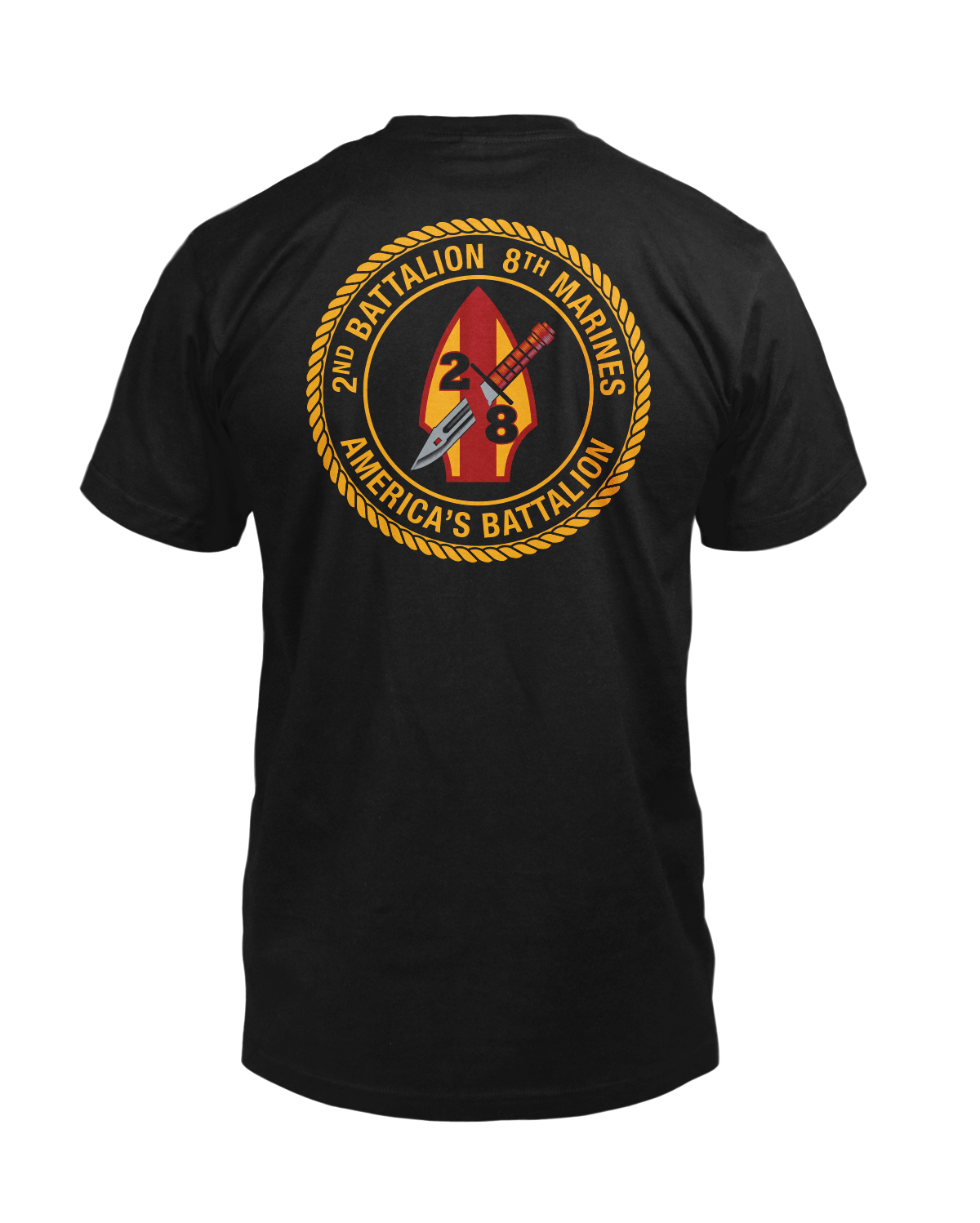
Proceeds from this shirt benefit the American Infantry Marine Foundation.
Price includes taxes and domestic standard shipping.
High quality 3 color screen printed plastisol artwork.
100% superior airlume combed and ring-spun cotton
Fabric weight: 4.2 oz (142 g/m2)
Tear-away label
Shoulder-to-shoulder taping
Side-seamed
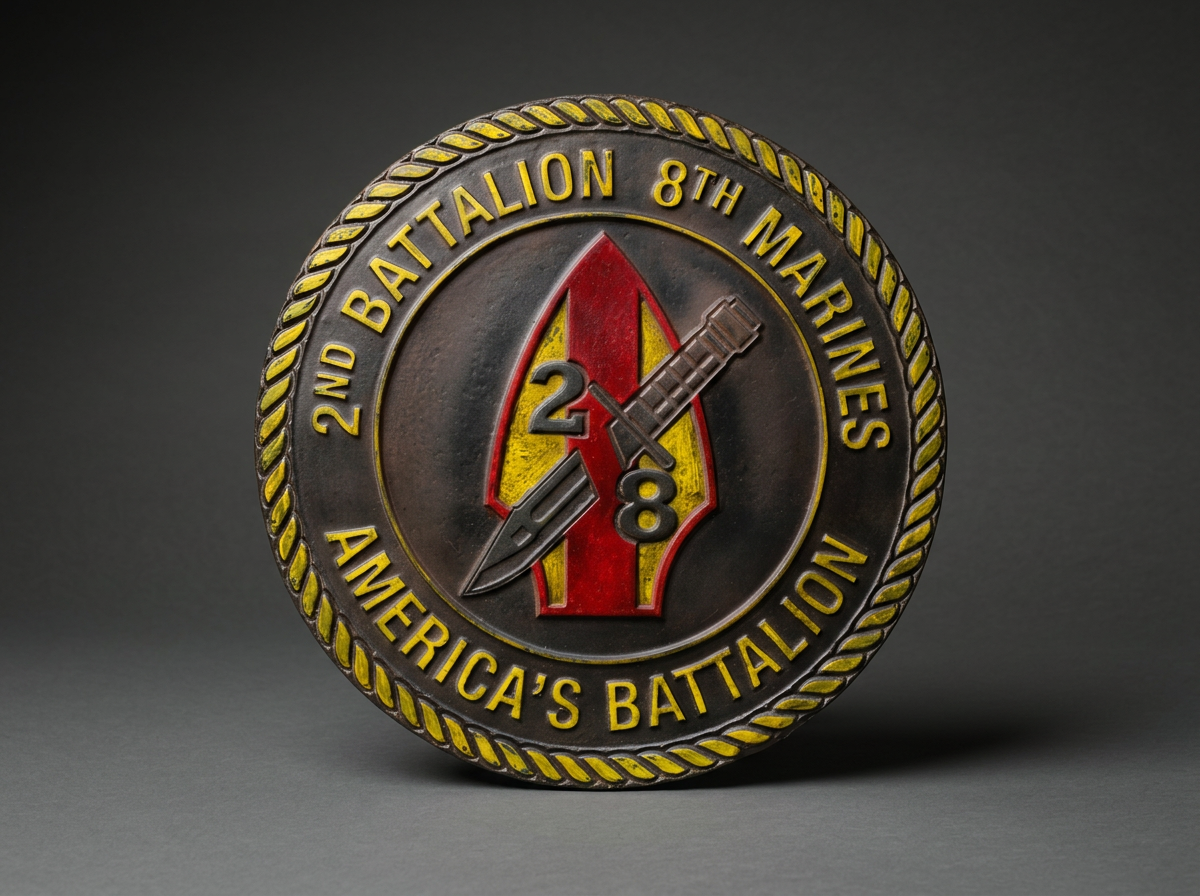
**LIMITED EDITION RUN**
2/8 America’s Battalion Unit Emblem
molded from lightweight foam
24 inch diameter
hand painted
coated with protective clear
easy to hang on a wall
made by 2/8 Combat Veteran
Proceeds from this shirt benefit the American Infantry Marine Foundation.
Price includes taxes and domestic standard shipping.
High quality 3 color screen printed plastisol artwork.
100% superior airlume combed and ring-spun cotton
Fabric weight: 4.2 oz (142 g/m2)
Tear-away label
Shoulder-to-shoulder taping
Side-seamed
I strongly encourage veterans considering psychedelic therapy to seek it exclusively under the guidance of qualified medical professionals within legally regulated and controlled settings. It is important to approach psychedelic treatment with informed caution, recognizing both its promise and limitations, particularly for those with trauma-related conditions. Prioritizing safety and professional care ensures the best possible outcomes.